Research with Reach
Research at Athabasca University drives real-world impact by addressing critical challenges through innovation and collaboration.
Our researchers are dedicated to finding transformative solutions that improve lives and strengthen communities, both near and far. Explore more in our Research with Reach series and discover how research at AU is like no other.
Research like no other
Athabasca University is a disruptor among universities with talented researchers who are working to solve some of the world's pressing challenges. From exploring online learning technologies to advancing health care to promoting global sustainability, AU research reflects a deep commitment to improving access to knowledge, creating opportunity for positive change, and transforming communities for a better, more equitable world.
Read more about AU research
Changes needed to build public trust in police
Changing the hyper-masculine culture in policing organization is the focus of Dr. Workman-Stark’s research. As police organizations look to rebuild trust with the communities they serve, they must first make critical changes to the way they treat their own members
Read more about public trust and the police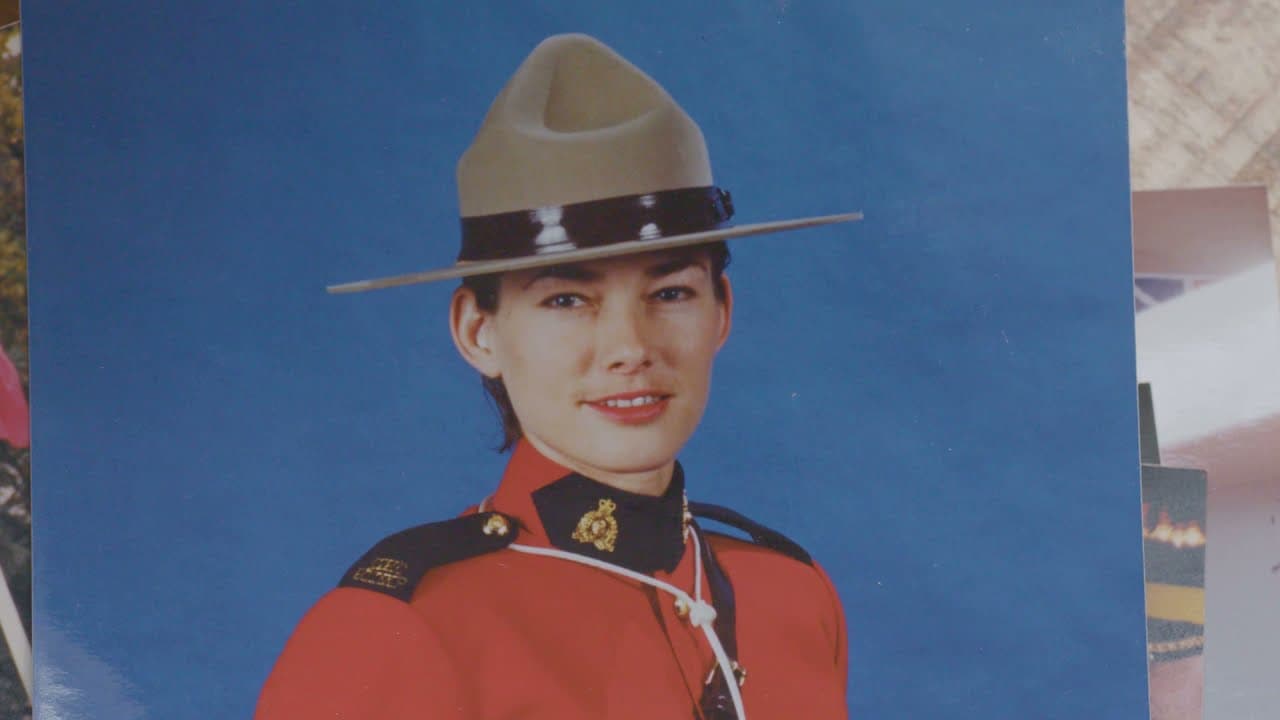
Assessing pain in frail elderly with dementia
Dr. Jennifer Knopp-Sihota’s ground-breaking research focuses on new ways to assess pain for dementia patients in long-term care. Understanding and assessing their pain can be challenging as they often struggle to communicate. Knopp-Sihota’s work will help improve quality of life.
Read more about pain and frail elderly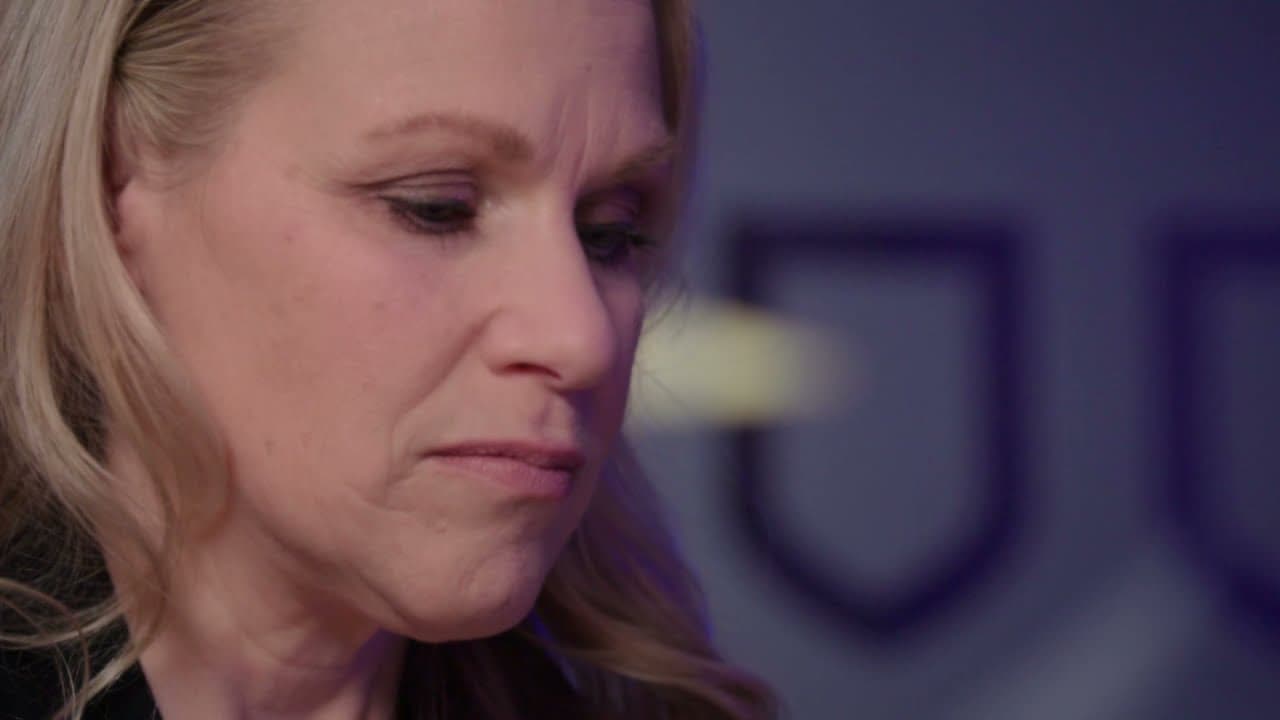
Impact of the pandemic on transgender mental health
The COVID-19 pandemic has had an adverse effect on mental health, particularly for trans and gender non-conforming individuals. Dr. Tobias Wiggins’ innovative research explores the impact in urban and rural trans communities in Alberta, and how they have coped.
Impact of the pandemic on transgender mental health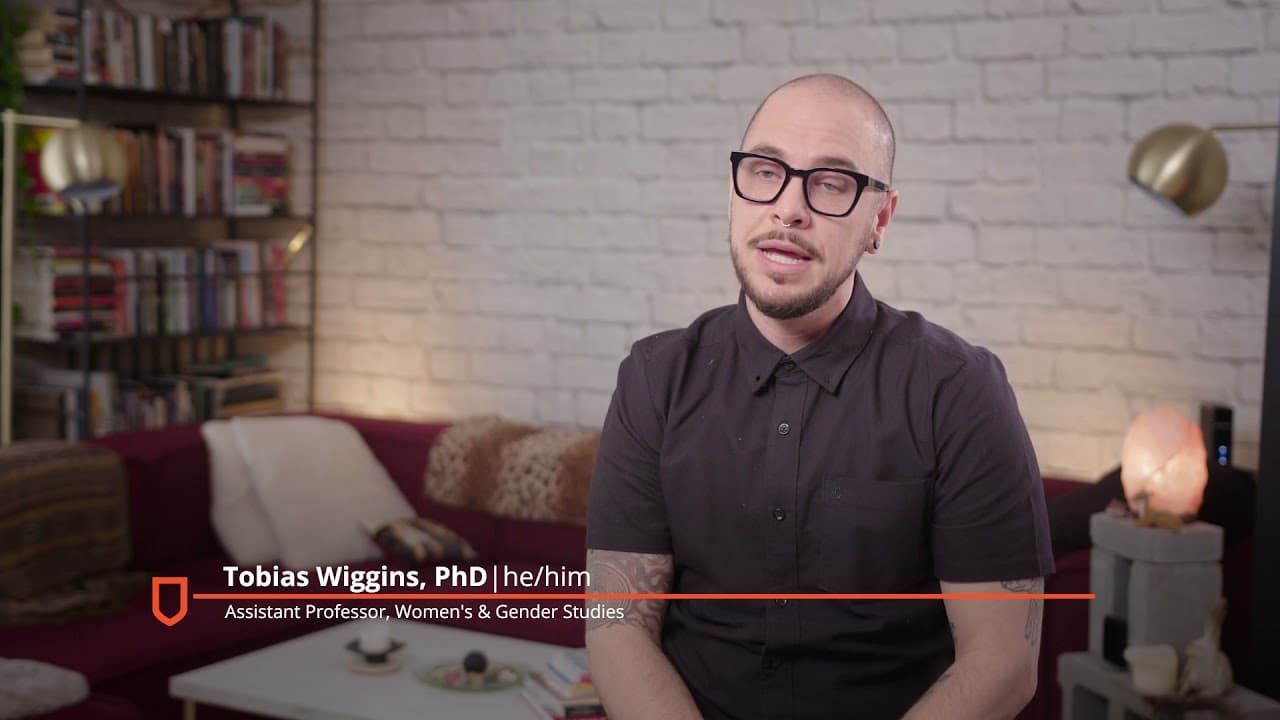
IDEA Lab redefines research through cloud technology
IDEA Lab isn’t a traditional university research lab because it isn’t a physical space. It represents a new way of doing research virtually using cloud computing and a first-in-Canada partnership between Athabasca University, Amazon Web Services, and RONIN. With IDEA Lab, AU researchers can investigate big problems with even bigger datasets to propel discovery and deliver results.
Dr. Andrew Perrin, Dr. Lorraine Thirsk

Harnessing technology to advance and enhance learning
Video games, AI and phone apps are all great tools to help people learn, and to make learning accessible to more people. At AU, Canada’s open university, expert researchers are exploring how to use technology to enhance and encourage learning, how humans interact with technology, and the limits and ethical considerations that come into play.
Dr. Vivekanandan Kumar, Dr. Levina Yuen and Dr. Jon Dron
Read more about education technology
Protecting food, water, and ecosystems through research and technology
Sustainability is about finding ways to meet our needs for today and for the the future. For Indigenous communities in northern Alberta, it’s about protecting water and food sources that are under threat from industry so that future generations can practice traditional ways of living. It’s about understanding how environments and systems work, interact, and respond to emerging threats such as climate change. It’s about developing new technologies that can solve environmental problems at the local, regional, and global scale.
Dr. Janelle Baker, Dr. Shawn Lewenza, Dr. Scott Ketcheson
Read more about environmental sustainability
Discovering a flexible graduate experience
What does graduate student research look like at an online university? Like a rich and rewarding experience, say graduate researchers at AU, Canada’s open university. They work in the field and online, seeking answers to important questions in nursing, teaching, business, science and more.
Read more about graduate research
Designing sustainable businesses and cities through research
Sustainability is about finding ways to meet our needs for today and for the the future. It’s about ensuring that businesses look beyond profit and consider their role and obligations to the communities in which they operate and serve. It’s about designing communities and gathering spaces that serve the needs of today and tomorrow.
Dr. Eduardo Ordonez Ponce, Dr. Henry Tsang
Read more about sustainable design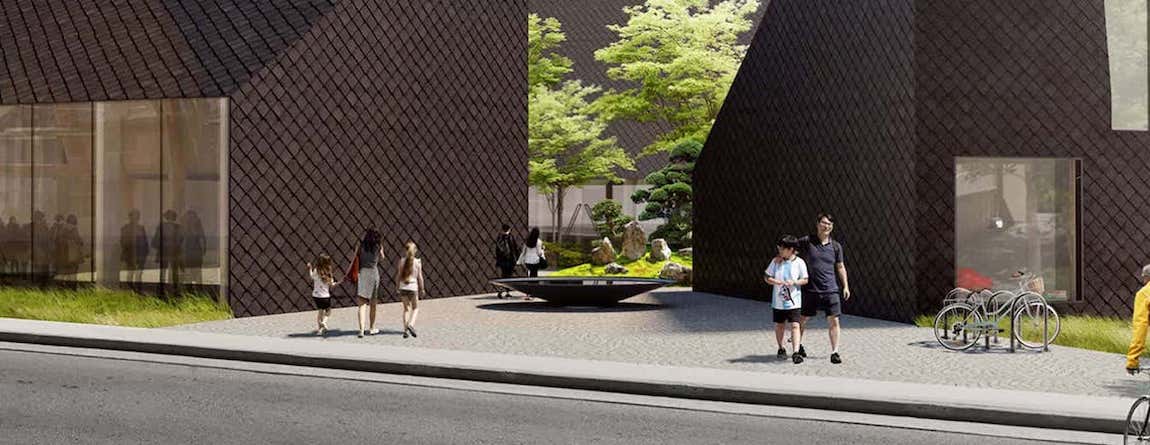
Is climate change hurting teen mental health?
Ground-breaking research lead by Dr. Gina Martin explores the impact of climate change on the mental health of Canadian teens. As the climate changes, there will be widespread environmental, and social impact from rising temperatures to extreme weather events. Youth are particularly vulnerable to these effects and require supports that are meaningful to them.
Read more about climate change and teen health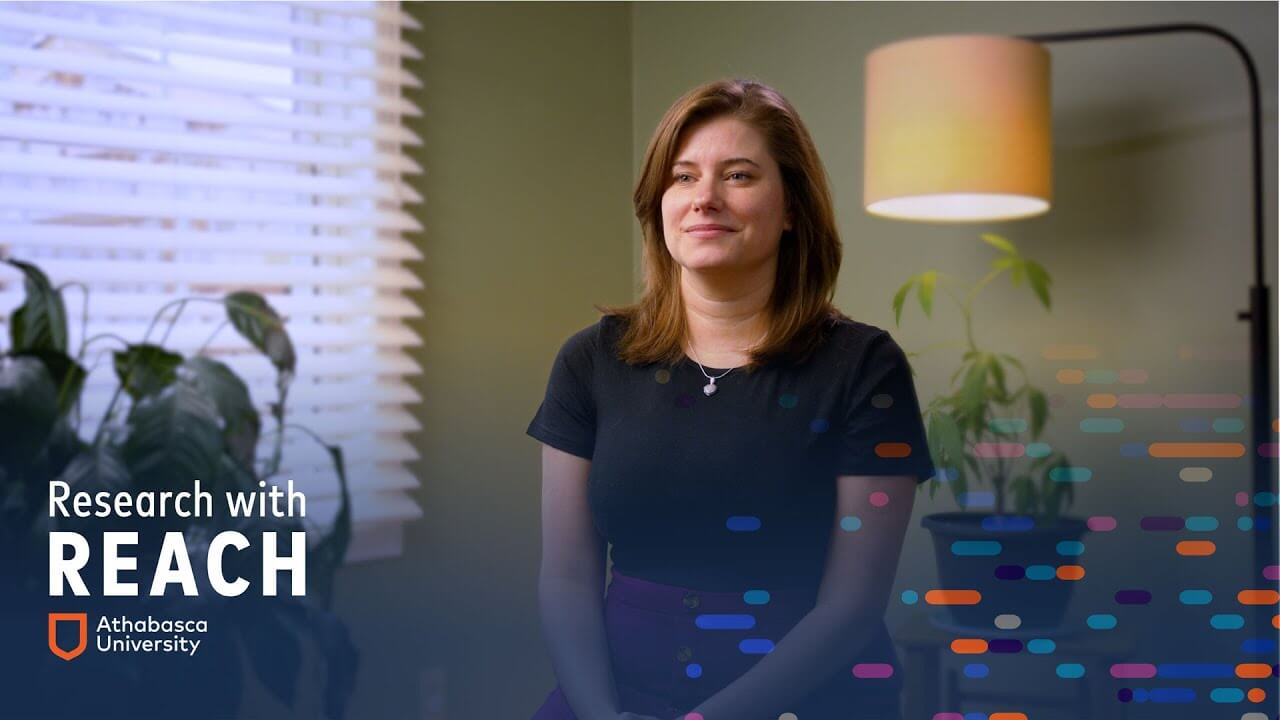
How archaeology can reveal missing voices in Alberta’s history
History is selective in what is passed down orally and through documentary evidence. Dr. Meaghan Peuramaki-Brown is uncovering history's missing voices, including those of Indigenous people, women, and children. Discover how archaeology plays an important role in providing a critical lens into the past so that our histories don’t just stay hidden but can be used to help inform our futures.
Read more about digging into Alberta’s past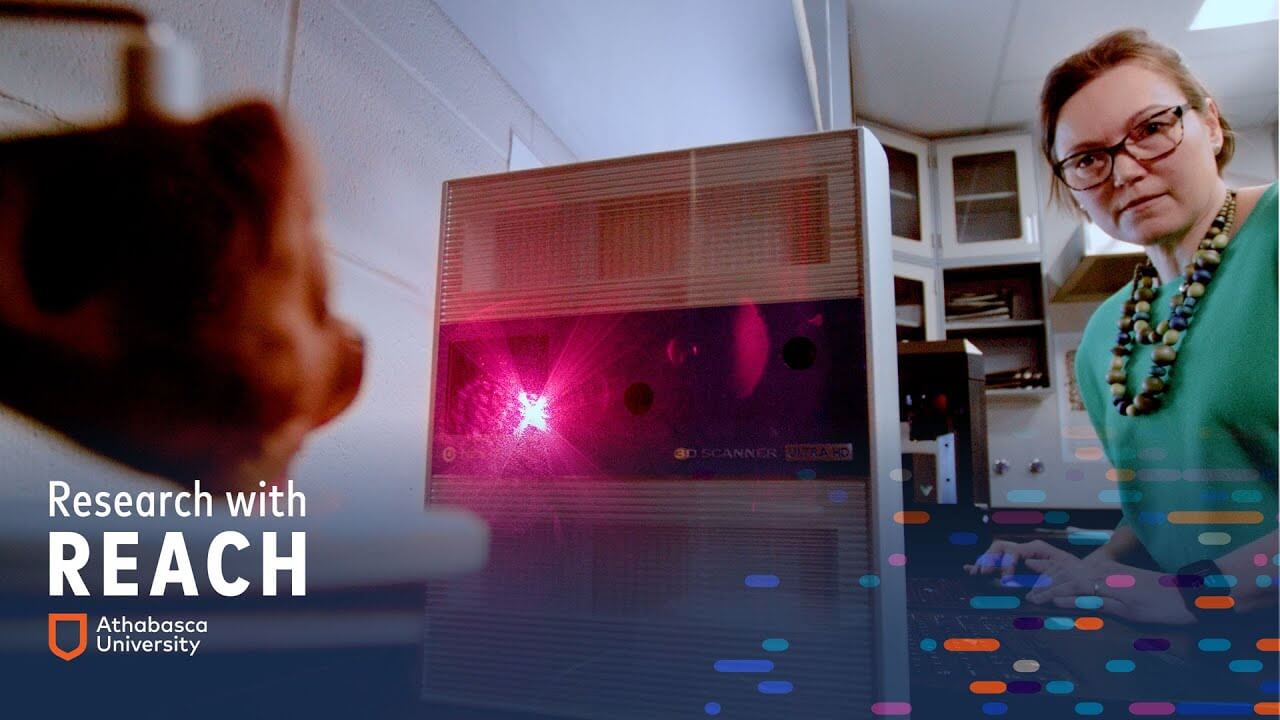
Designing smart cities
Smart cities are powered by digital technologies. But, as Dr. Anshuman Khare’s research has proven, it is the enabling power of technology that is really making a difference in people’s lives through the promotion of good governance, growing the local economy, and providing services to citizens in a timely, reliable and cost-effective manner.
Read more about smart cities
How microbes can help us protect the environment
Microbes are powerful but unappreciated allies in our efforts to clean up the environment and fight disease, says Dr. Srijak Bhatnagar. In addition to their typical diet, microbes can also consume things that are harmful to humans and our environment. Not only do they eventually help clean up, they can also warn scientists that there is a contaminant in the environment.
Read more about microbes and the environment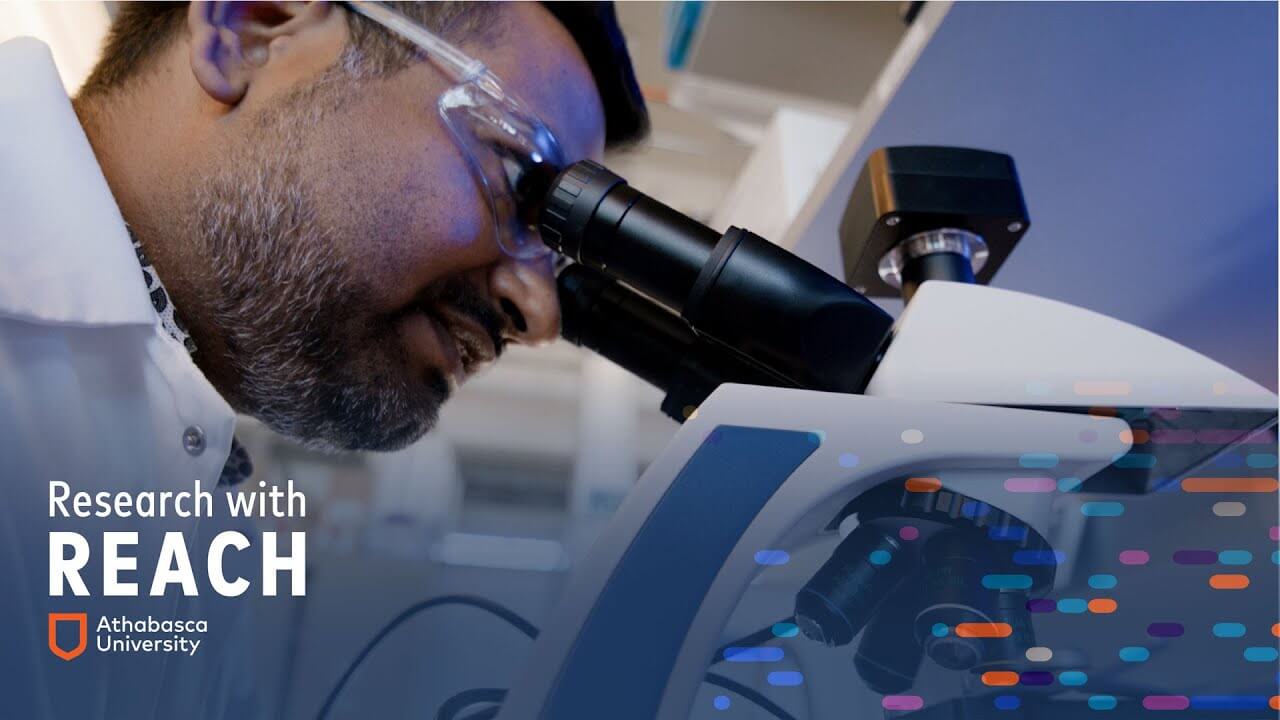
Technology enables education for all
The use of technologies in online and distance education is key to making education accessible to all in the future. While many people around the word don’t have access to computers, they do have mobile devices, which can be a powerful tool for learning. Dr. Mohamed Ally studies the enabling potential of emerging technologies, like artificial intelligence, on the learner experience.
Read more about technology as an enabler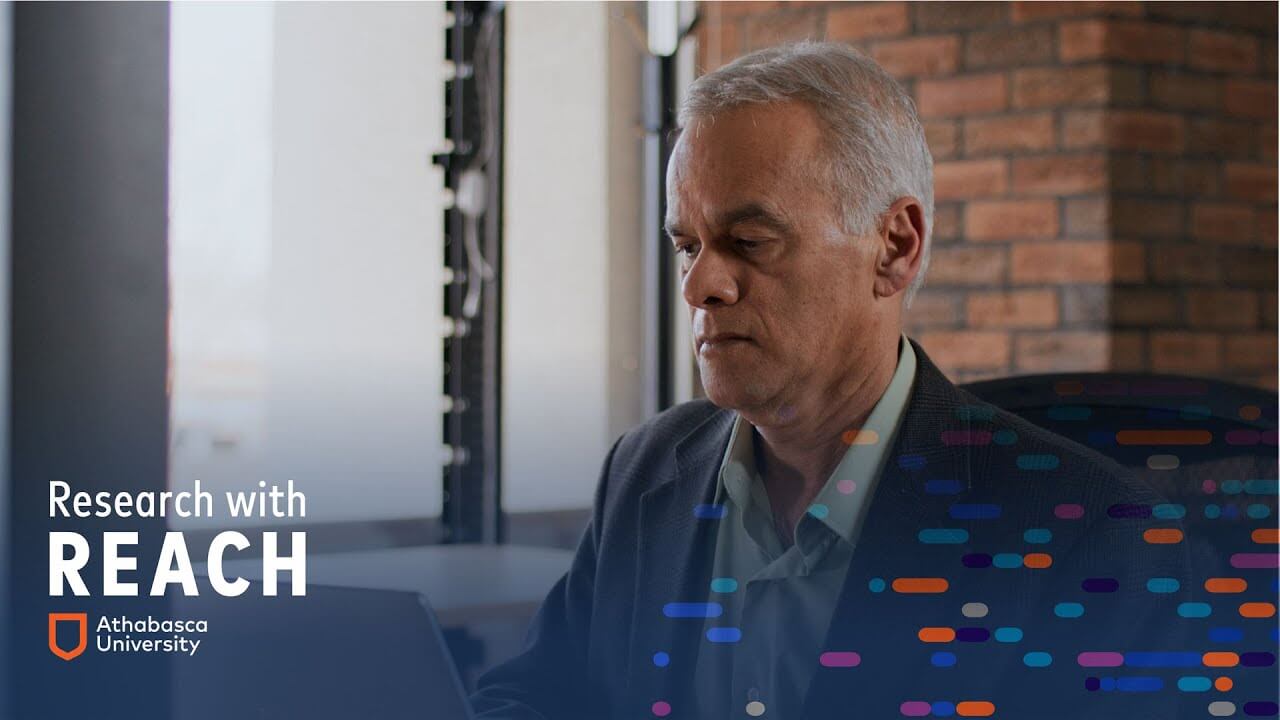
Exploring teen food choices and nutrition in rural Alberta
Food has a huge impact on nutrition and health, and what we choose to eat is heavily influenced by our food environments—where we live, but also social, economic, and political factors that affect eating choices. Dr. Alexa Ferdinands is working with teens in Drayton Valley, Alta., to understand their food choices and eating habits in a rural oil-and-gas town.
Dr. Alexa Ferdinands
Read more about teen food choices and nutrition
Solving nursing shortage critical to Canada’s health-care crisis
A worldwide shortage of nurses has resulted in a surge of nursing positions in Canada going unfilled. This puts a heavy strain on health-care systems in Canada. Dr. Venise Bryan is researching the experiences of nurses and health-care workers as they advance their careers and expand their skills. The results could help improve nursing education and mentorship.
Read more about research to address Canada’s nursing shortage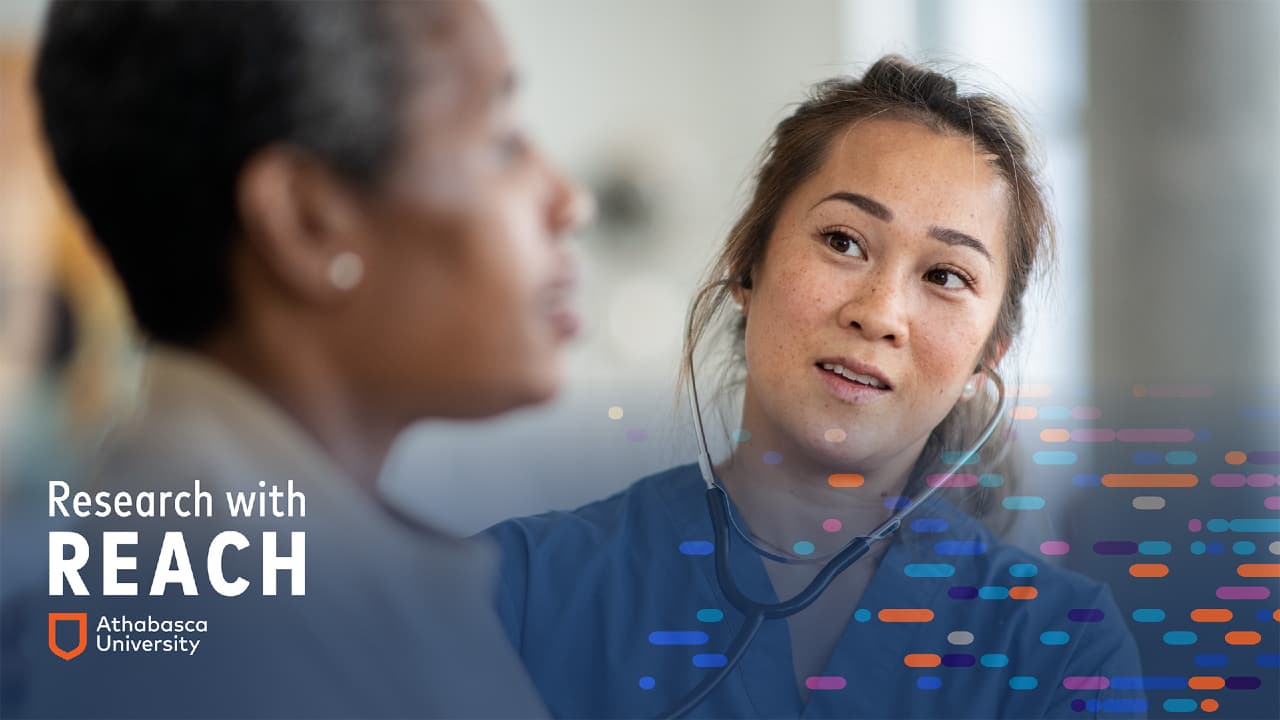
Exploring Canada’s affordable housing crisis
The spotlight on Canada's affordable housing crisis intensifies as rent hikes, dwindling rental units, and urban encampments grab public attention. Dr. Katie MacDonald’s research focuses on the experiences of people working in the affordable housing sector. She also explains why a shift in thinking is needed to ensure housing is a human right.
Read more about the housing affordability crisis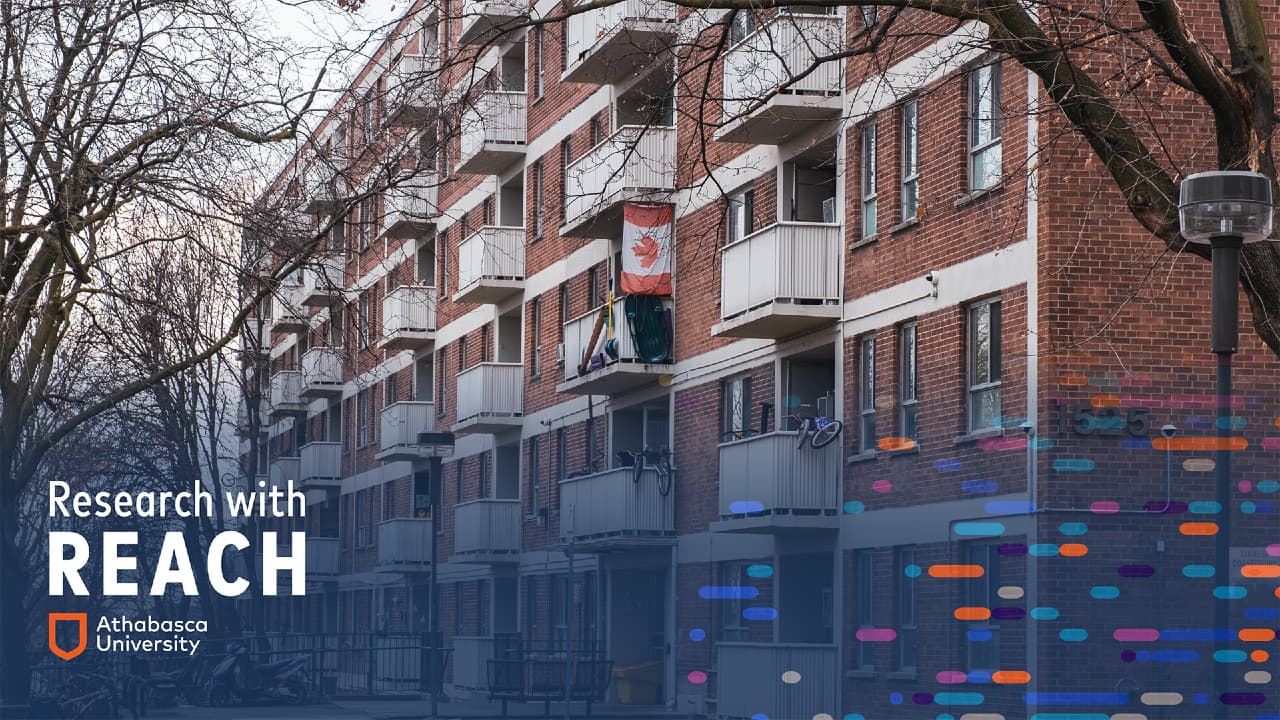
How AI can improve online learning and student success
Online learning offers flexibility—but how do we keep students engaged from a distance? Athabasca University researcher Dr. Ali Dewan is exploring how artificial intelligence, facial recognition, and deep learning can monitor student engagement and offer real-time support.
Dewan’s innovative approach tracks both emotional and cognitive responses to learning materials, helping to personalize online education and improve student outcomes.
Read more about Dewan’s research
How business can create global solutions for local impact
Can business be a force for global equity and sustainability? Dr. F. Haider Alvi, professor of innovation finance at Athabasca University, thinks so.
Alvi’s research explores how humility, understanding, and true partnership between the Global North and Global South can address some of the world’s most pressing challenges—from climate change to economic inequality.
Read more about Alvi’s research
Community research combats gender violence
Dr. Kharah Ross, a health psychologist and researcher at Athabasca University, is redefining the role of academia through hands-on collaboration with community partners. From developing resources to combat gender-based violence to helping non-profits manage vital data, Ross’s research connects real-world problems with real-world solutions where they’re needed most.
Read more about Ross’s research
Revitalizing Indigenous Healing Systems
Traditional Indigenous Healing Systems have been used since time immemorial to protect the health of Indigenous Peoples, but those systems have been disrupted by colonialism. Dr. Lana Ray, Canada Research Chair in Resurgent Methodologies for Indigenous Health at Athabasca University, shares how those systems are being revived for the benefit of First Nations communities through projects such as Waasegiizhig Nanaadawe'iyewigamig Mino-Bimaadiziwin.
Read more about Ray’s research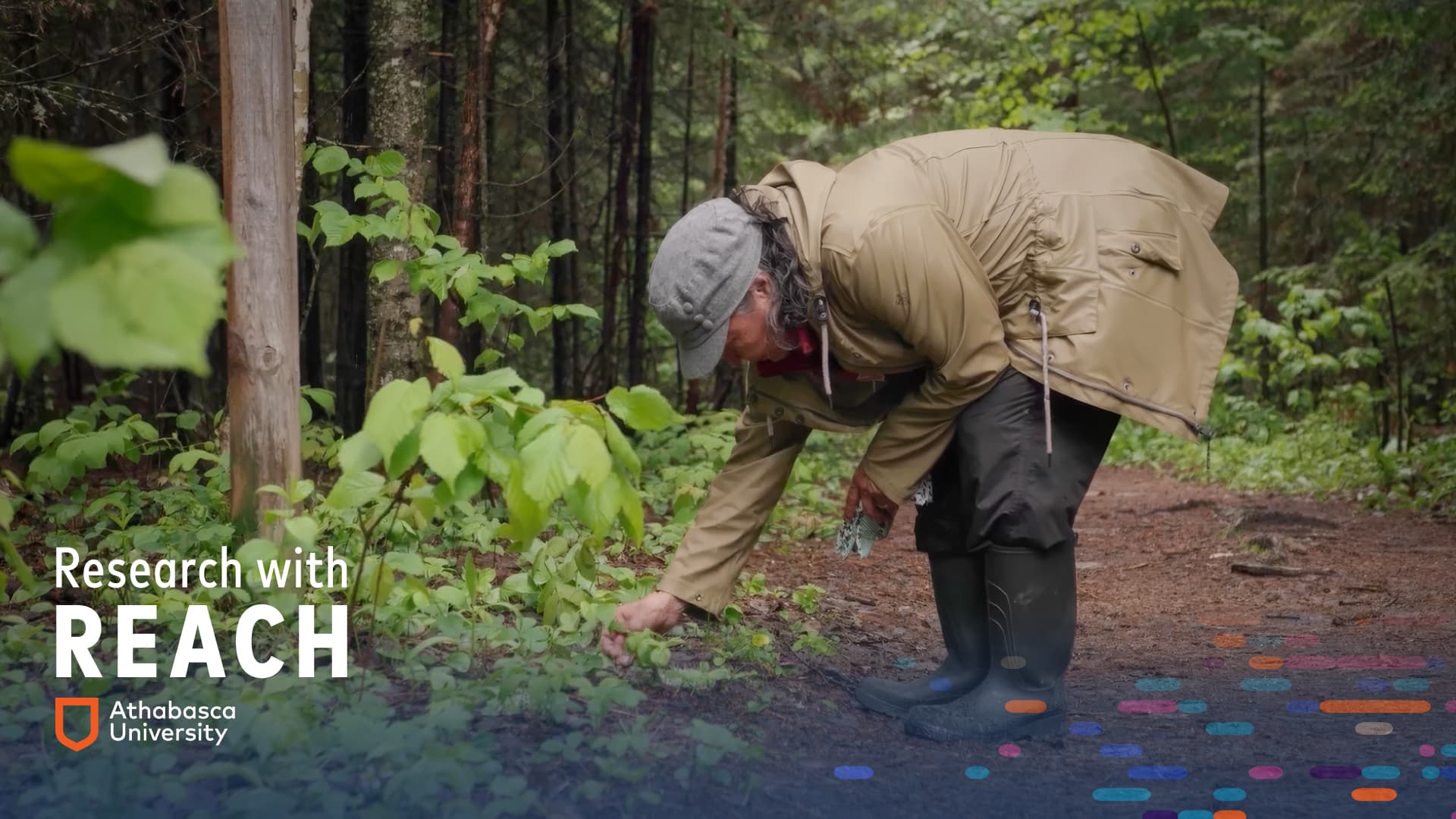
Season 6
Researching space weather’s real-world effects
Solar storms and auroras can cause beautiful light displays as the Northern Lights—but they can also have significant, or even catastrophic, effects here on Earth.
That’s one of the reasons Athabasca University researchers Dr. Martin Connors and Dr. Darcy Cordell keep their eyes on the skies at an observatory in Athabasca County, Alta., far from the light pollution of the big cities.
The high-tech instruments at the Athabasca University Geophysical Observatory measure, among other things, the electromagnetic fields in the atmosphere and in the ground. Strong space-weather events like aurora can—and have—disrupted electrical systems on Earth. This motivates researchers to measure, and hopefully in time, predict these kinds of events.
Read more about their research
Reducing barriers to improve vaccine access
Getting vaccinated is often much more than a simple, yes-or-no decision for people, said Athabasca University researcher Dr. Terra Manca.
“There's a lot of factors at play behind the scenes that can create barriers to being vaccinated,” said Manca, the Canada Research Chair in Regulation, Social Governance, and Inequities in Health, and an assistant professor in the university’s Faculty of Health Disciplines.
These can include practical, day-to-day limitations like access to childcare and transportation, or having money to take the bus to a clinic, she explains. People may not be able to get time off work, or they may live in a rural or remote area where it’s harder to access health care.
Read more about Manca’s research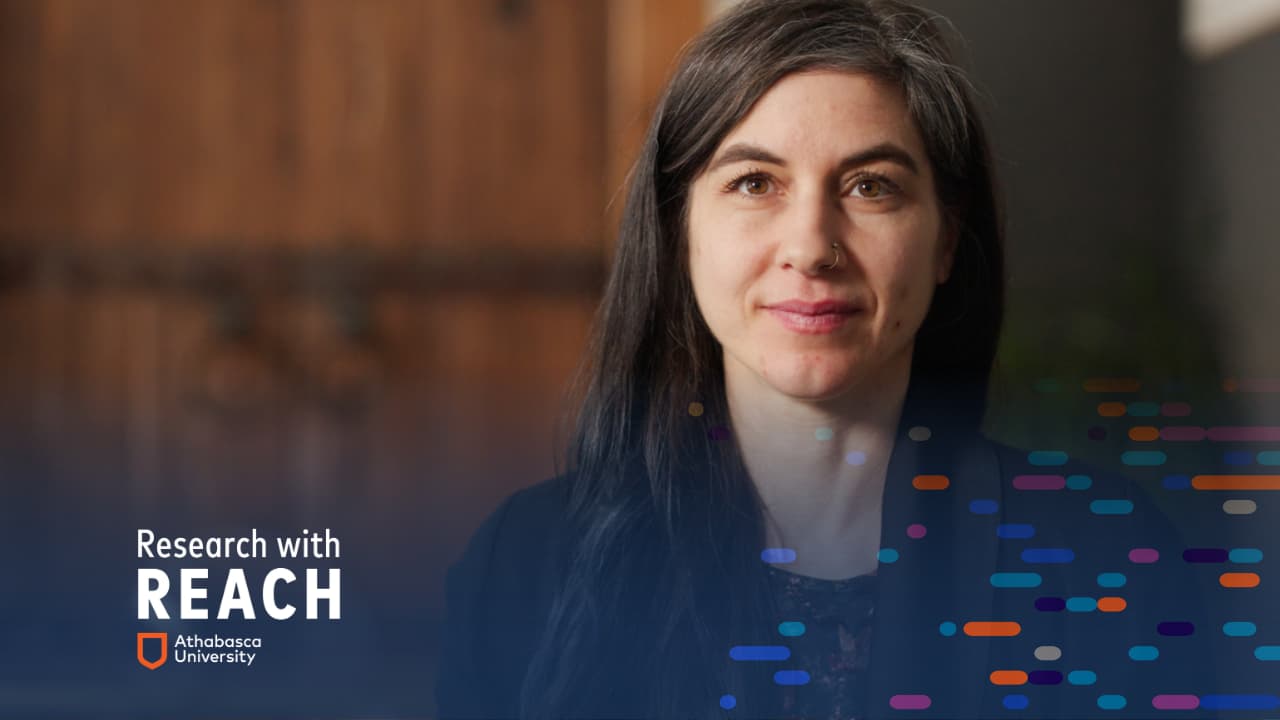
Bringing virtual design tools to students worldwide
The Athabasca Architectural Maker Space gives students and researchers access to cutting-edge technology and innovative ways of teaching and learning from anywhere in the world.
Opened in June 2025, the maker space includes important tools for architectural education, including 3D printers and scanners, virtual reality equipment, remote sensors, and an audiovisual podcasting studio.
“Our goal with this space is to provide a learning and research experience which is second to none,” said professor Dr. Douglas MacLeod. “And by providing students with the equipment that they need to investigate areas like regenerative design or like virtual design, we provide something very, very special here.”
Read more about their research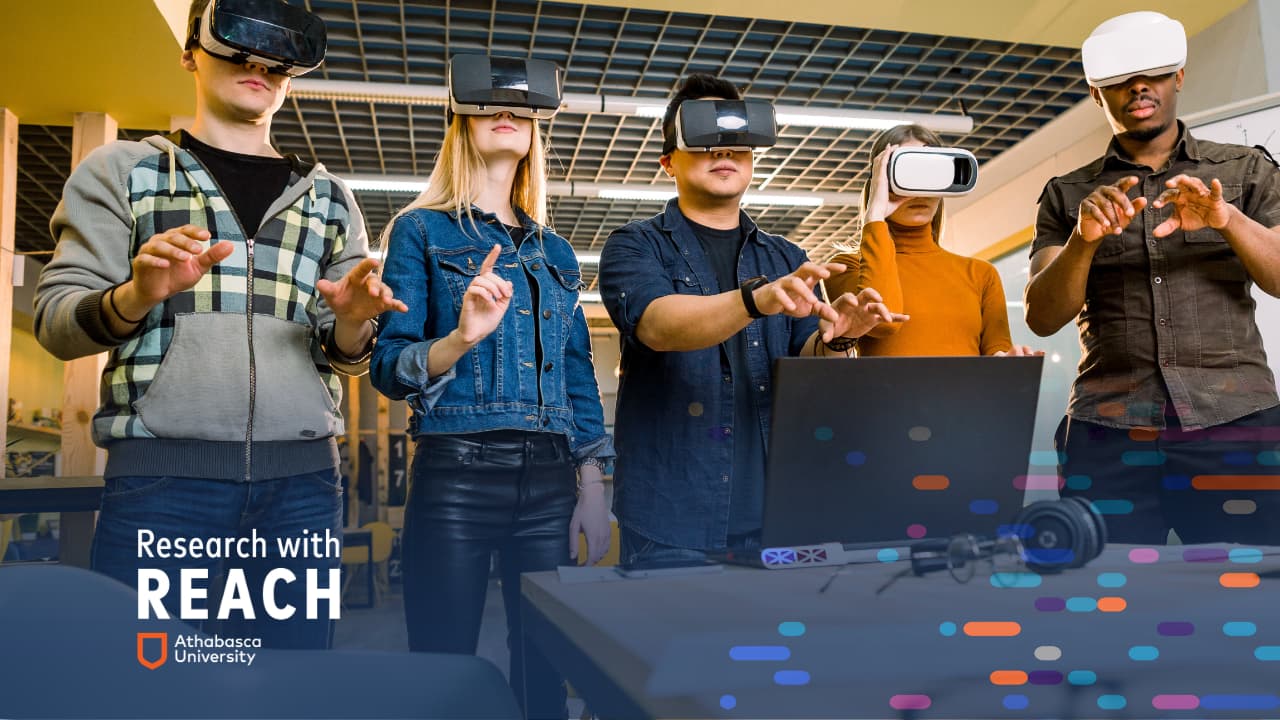
Studying primates to learn more about ourselves
Dr. Hugh Notman understands the curiosity and affinity humans feel for primates, as a researcher who has spent his career studying them.
“You look at them and you say, ‘there's something familiar about what they're doing that's different from what those lions are doing or what those penguins are doing,’” said Notman, a primatologist and associate professor of Anthropology in Athabasca University’s Faculty of Humanities and Social Sciences.
Our fascination with primates stems in part from the desire to find out more about ourselves, he said.
“I think that underlies why primatologists do what they do. But there’s also just an inherent curiosity. And there’s a pursuit of knowledge aspect to everything that we do.”
Read more about Notman’s research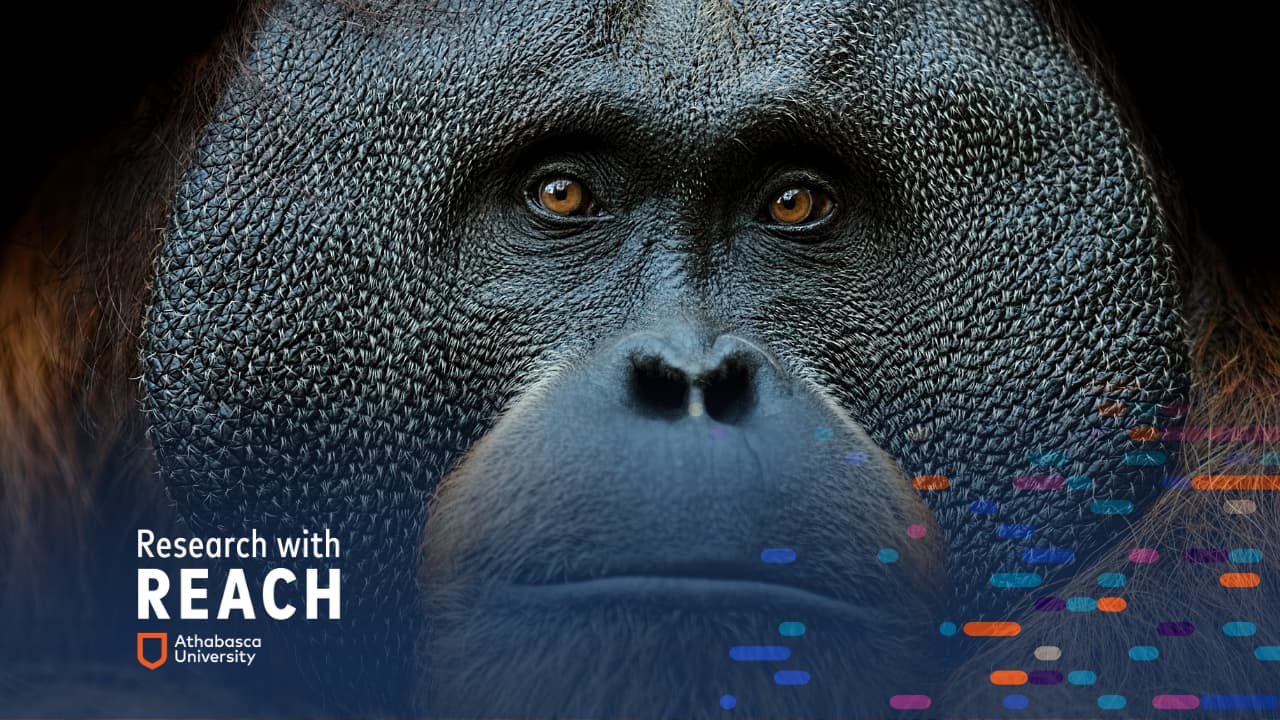
Athabasca University gratefully acknowledges the financial contribution of the federal government's granting agencies (Social Sciences and Humanities Research Council, Natural Sciences and Engineering Research Council, and the Canadian Institutes of Health Research) through their Research Support Fund. More information about how this fund supports AU research can be found on our public disclosure web page.
Updated August 06, 2026 by Digital & Web Operations (web_services@athabascau.ca)