



AU graduate student Brittany Arora’s research explores barriers to cervical cancer screening and innovative ways to overcome them
What if we could reduce deaths from cervical cancer by making screening tools more accessible and less intrusive for patients?
This is the question Master of Nursing student Brittany Arora asked in her Three-Minute Thesis (3MT) presentation, Interventions to Increase Cervical Cancer Screening in Canada. She earned the top prize at AU’s competition, along with the opportunity to compete at the Western Regional 3MT Competition at the University of Regina May 4, 2026.
After identifying possible barriers to cervical cancer screening as part of a literature review, she proposed a solution that combines people’s fondness for home-delivery with new, less-intrusive testing technologies that still provide accurate results.
Her own lived experience as a nurse—and as a woman uncomfortable with traditional methods of cervical cancer screening, despite knowing the benefits—was instrumental in shaping her approach.
“I asked, how can I make this better? Women are scared. It’s painful, it’s cold, and it’s the most uncomfortable thing you could ever experience,” Arora said. “I thought, ‘there has to be a better way.’”
Improving access to cancer screening
Although cervical cancer is preventable through early screening, many women avoid traditional testing due to discomfort, fear, and practical barriers like time, travel, and access to care, she said during her presentation.
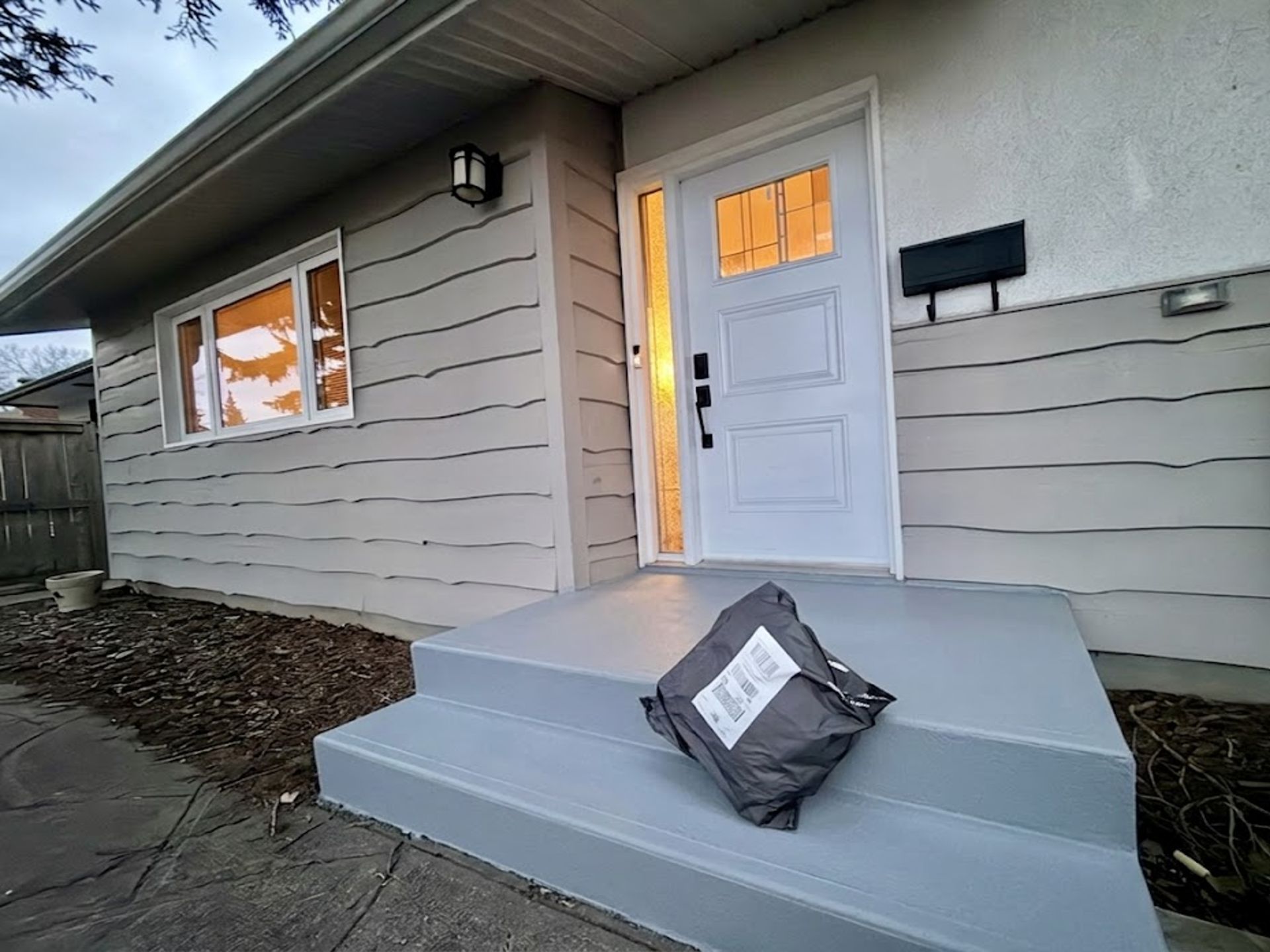
To address this, she proposed offering more convenient screening options, like mailing self-sampling kits or urine collection kits that patients can complete at home. Evidence shows these testing methods increase participation in preventative screening.
By prioritizing choice and accessibility, the preventative intervention aims to improve screening rates and reduce cervical cancer deaths.
“A mailed cancer screening kit might just be the most important delivery you ever get,” Arora said.
The slide Brittany Arora used as part of her winning 3MT presentation.
Learning more about her own research
The 3MT competition, started by the University of Queensland in 2008, cultivates students’ academic, presentation, and research communication skills. Students must explain their research and its value to a general audience in just three minutes, with a single PowerPoint slide as the only visual aide.
Since 2017, more than 100 AU students have taken part in the competition, hosted by the Faculty of Graduates Studies, joining the thousands of others around the world who have participated in 3MT.
Arora said she found the experience of creating a 3MT presentation helpful in several ways.
It encouraged her to get away from the facts, figures, and dollar values that are inherent in most health-care research and really focus on the patient perspective.
“Why are we doing this? It’s about the Canadian women who are dying every year of cervical cancer,” she said. “At the end of the day, we need to remember that we’re doing it for them.”
Arora said the experience also increased her confidence in her research, and in speaking about it publicly.
The opportunity to hear others talk about their research and make some connections was invaluable to her—and would be to other graduate students as well, she added.
“There are so many good things that can come out of it and you have nothing to lose,” she said. “You just have to just try first in order to reap the benefits, right?”
“Why are we doing this? It’s about the Canadian women who are dying every year of cervical cancer. At the end of the day, we need to remember that we’re doing it for them.
Brittany Arora
Wide variety of graduate research
The competition judges emphasized it was a difficult decision to pick a winner, given the high-quality presentations from all participants.
Master of Counselling student Grace Landry won second place with her presentation, “What’s That I’m Eating”? How TikTok Influences Young Women’s Bodies and Diets. Her study examines how influencer videos, in particular the “What I Eat in a Day” videos, impact women’s dietary decisions and their perceptions of their own bodies.
Doctor of Business Administration student Stacey Fenwick earned third place with her presentation, Can Factory-Built Homes Fill the Missing Middle Gap? This research explores the interconnected factors that contribute to the housing affordability crisis in Canada and proposes a learning framework to help foster more informed, coordinated approaches to housing innovation.