



Athabasca University’s donor-supported First in Family to Attend University awards are a game changer for students from all walks of life
It wasn't an easy path for Ravneet Manger to earn a nursing degree from Athabasca University. Her struggles will sound familiar to many AU students: financial barriers, competing time commitments, and family who need support, to name a few.
But with perseverance, doing classes one at a time as she could pay for them, and doing schoolwork into the early hours of the morning while her children were asleep, she completed the coursework for her Post-LPN Bachelor of Nursing degree.
"There are challenges everywhere, but I'm trying to overcome all these challenges so that I can fulfill my dream," she said. "And I feel like even after I'm done with classes, I don't think I will stop. I want to go further."
As the first in her family to attend university, she's blazing a trail she hopes her siblings and her own children will follow. They can already see how her life has improved, and some have already started on their own educational journeys.
"I'm encouraging my siblings, and sisters-in-law, to study further."
Manger said she is earning a degree thanks to her own hard work, support from her family,and the AU First in Family to Attend University Award she received. The award provided $1,000 to help pay for her studies.
The awards were established in 2009. The number of awards distributed has increased thanks to the generosity of donors, with 25 awards distributed in 2025-26.
The students who receive these awards demonstrate the transformative power of education, and the First in Family Awards help open doors and empower them to make their highest contribution to their families and communities.

Student aims to support home community of Iqaluit
For Aaron Ejetsiak, the First in Family Award has lifted a lot of the financial pressure he felt as a mature student with a family of five, now in the second year of his Bachelor of Arts in Psychology.Growing up in a remote northern community like Iqaluit, Nunavut, he said there weren’t many options for post-secondary education.
His father, who worked as a warehouse manager, and his mother, who worked for a local television company that created Inuit-related content, both encouraged him to explore post-secondary options.
This plan got delayed when he dropped out of high school to work full time in administrative roles with the territorial and federal government in Nunavut and eventually moved to Ontario.
While an undergraduate psychology degree is the first step in his educational journey, it won’t be the last: he plans to earn master’s and doctoral degrees in psychology and return to Iqaluit to provide counselling services to the community.
“It will bring me pride and a sense of accomplishment once I earn a degree and continue to pursue my dream of becoming a counselling psychologist,” he said. “I think my family will be proud and happy for me when I complete this program.”
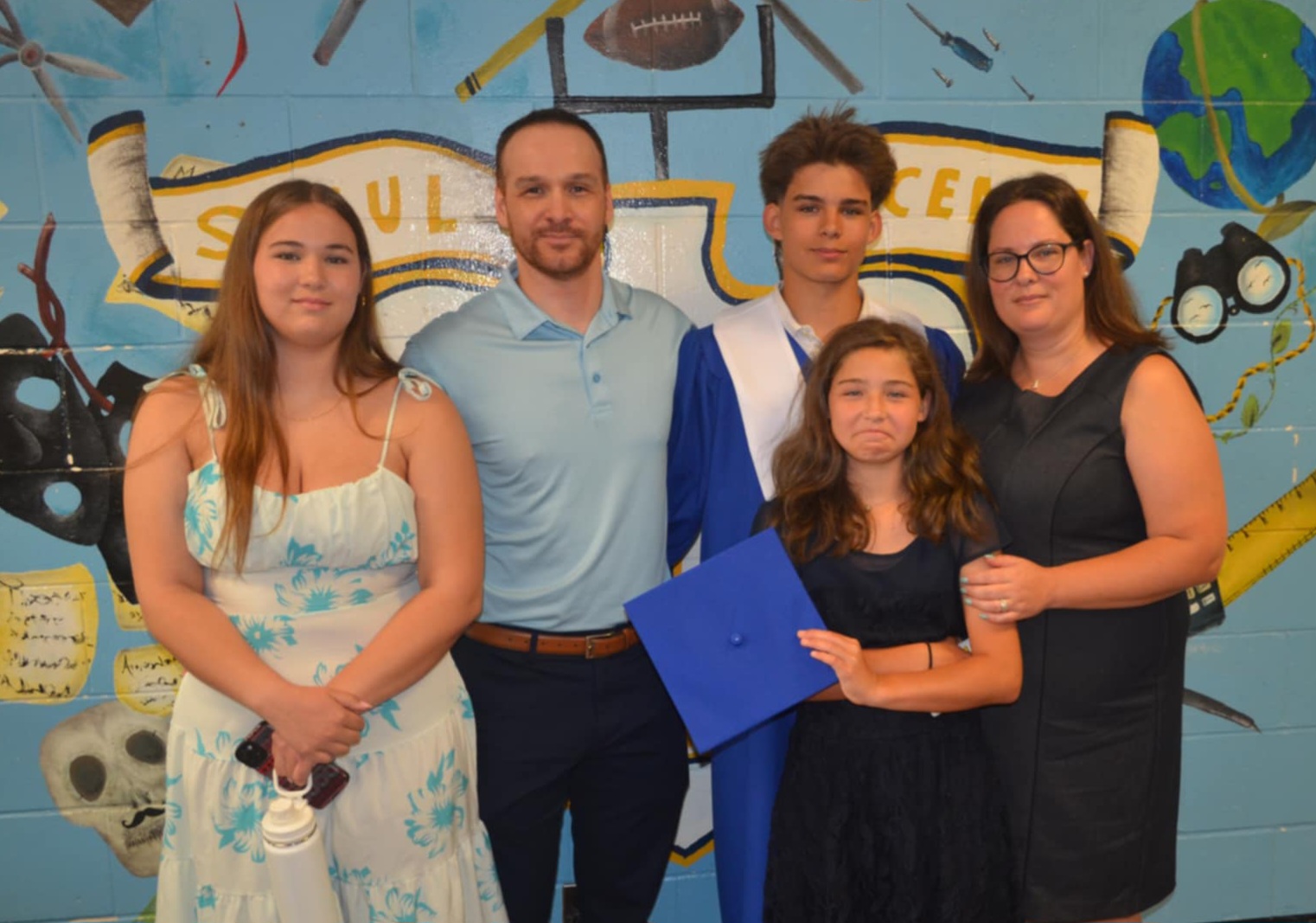
'I'm showing my kids that it's possible'
When Christine Hudder was growing up, university “felt more like something other people did, not something that was expected for me.”
She’s now almost finished a degree that once felt out of reach, a Bachelor of Professional Arts in Communications Studies. After years of taking one course at a time, paying for them as finances allowed, she has just nine courses left.
“I’m motivated to keep going, but money has definitely slowed down what I know I’m capable of finishing,” she said.
Her parents worked in the lumber industry and banking, and although education was always important to them, Hudder didn’t feel like post-secondary education was expected of her.
She found work in the communications field, first with a newspaper and now in a communications role with a local health-care foundation. She wanted to get this degree to help advance her career.
As the primary income earner for her family, raising three children amid a rising cost of living, financial barriers have shaped the pace of her studies. That pace has now quickened thanks to the First in Family Award.
“I’m showing my kids that it’s possible, even if it takes longer or looks different than the traditional path,” Hudder said.

Pursuing a degree as a mature student
Jennifer O’Donnell is entering the final year of a Bachelor of Arts in General Studies, working toward her goal of becoming an elementary school teacher. It’s a path she first imagined as a child, and took decades to pursue.
Now, with a family and other responsibilities, financing her education has been a constant challenge. With no extra funds available, she relies on student loans, government funding, and personal debt to continue her studies.
“I am very grateful to Athabasca University and the other donors who offer the First in Family Award,” she said. “This support helps ease some of the financial pressure that comes with pursuing my education, and it truly makes a difference.”
Growing up, post-secondary education was never a clear expectation for O’Donnell. After supporting herself from a young age and building a career in administrative and bookkeeping roles, she later trained as an education assistant. That experience re-ignited her original dream and now, in her 40s, she’s pursuing it.
As the first in her family to pursue university, she is setting a powerful example for her children—and hopefully others who might be on the fence about returning to school.
“I hope that my journey encourages others, especially those in midlife, to believe that they can still make a change and pursue something more for themselves.”

'It is never too late to pursue new opportunities'
Jennifer Jarvinen always knew she wanted to go to university. Although there was never pressure from her family to pursue post-secondary education, it was always something she aspired to.
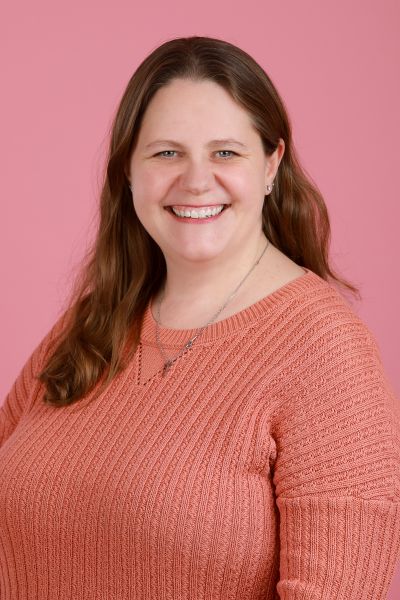 Her mom worked as a data administrator, building a career through dedication and experience, rather than education. She worked her way up from an entry-level position, demonstrating the value of persistence and a strong work ethic.
As the main earner in her family, financial pressures have always been a barrier to getting a university degree for Jarvinen. This is why the First in Family Award has been so meaningful.
“It feels encouraging to have my efforts and commitment recognized, and it reinforces my belief that it is never too late to pursue education or create new opportunities for yourself and your family,” Jarvinen said.
She has already seen the impact of her education, especially on those who have watched her balancing work, family, and academics to pursue a Bachelor of Arts in Psychology.
“For my children and extended family, this accomplishment represents a shift in what feels possible.”
Explore scholarships, bursaries, and student awards at Athabasca University