


AU-developed resource is available for free to researchers, students, everywhere
A new open-access toolkit developed by Athabasca University (AU) will help researchers anywhere better manage their research data and increase the transparency around their findings.
Essentially a digital textbook, Research Data Management and the Cloud: A Toolkit for Researchers, is a user-friendly resource, with headings to help explain and navigate through the different components of research data management.
The tool was developed by AU’s library, with help from the research office, IT, and three AU faculty members whose research data was used as examples.
"We wanted to create an open resource because it would be a way to push our own supports forward while also contributing to the wider community," says Dr. Robyn Stobbs, AU's research data management (RDM) librarian. "We benefit a lot from community-created resources and wanted to contribute to the vibrant RDM community in Canada."
Making it scannable
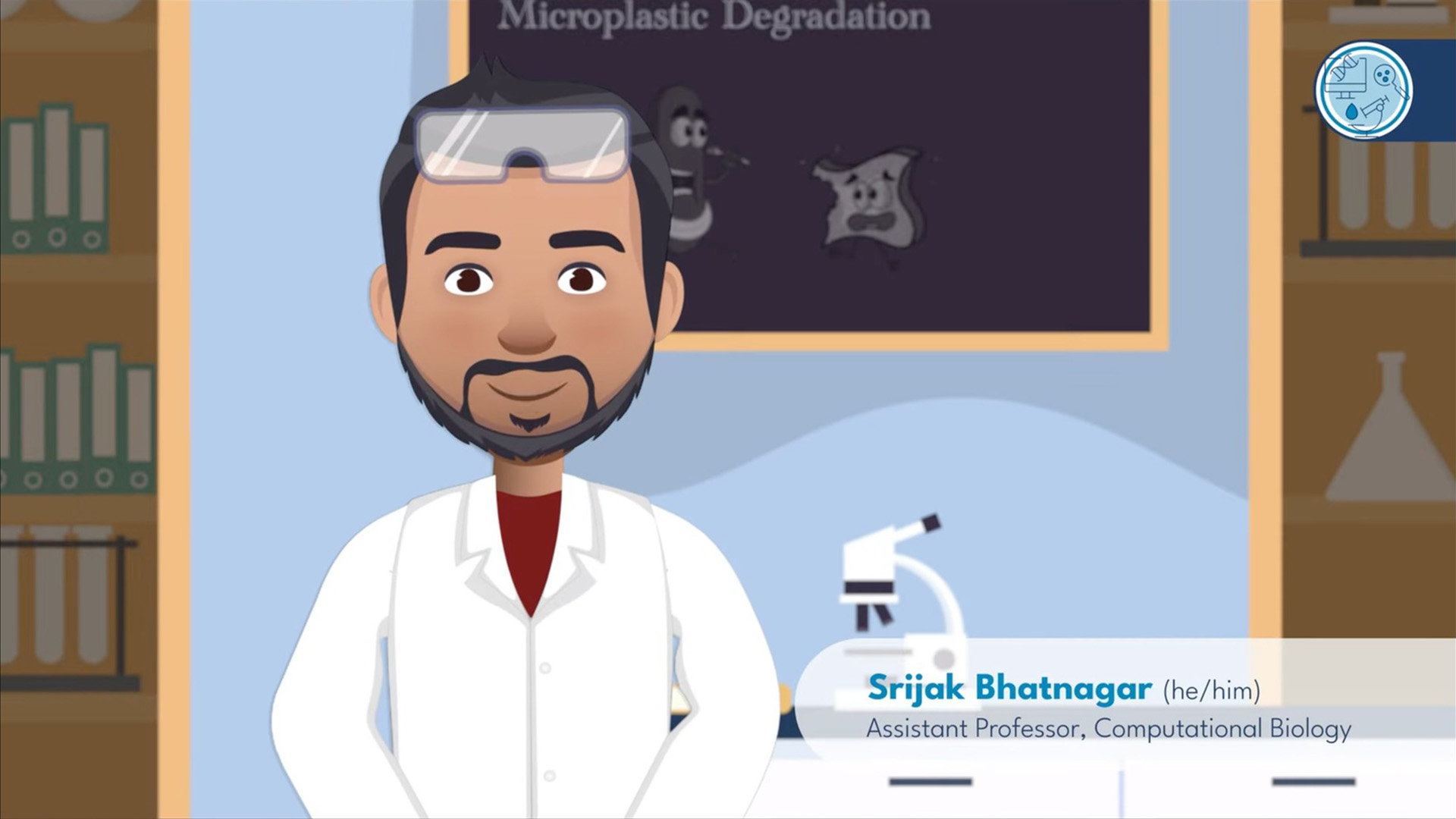
Its developers even created animated avatars of each of the researchers—Dr. Srijak Bhatnagar, Dr. Katie MacDonald, and Dr. Kharah Ross—to introduce their work and RDM processes in short videos. Asim Aziz, from AU’s IT department, is also featured to answer the most common questions he hears from researchers trying to get set up in the cloud.
The online book is divided into modules that can be viewed together or separately, explaining, for example, “an overview of research data management”, and “an orientation to the cloud.” Throughout are examples from the work of each of the three featured researchers.
The last section of the book provides worksheets and other tools and examples that can be edited and adapted by researchers for their own work, as well as examples of free repositories where the data can be stored.
It also helps support research reproducibility and increase transparency to build trust in the results and the research community.
Dr. Leah Brainin, AU's knowledge mobilization specialist
Response to federal funding rules
The effort comes partly in response to ongoing policies from federal research funding agencies being phased in since 2021, requiring researchers to provide a comprehensive research data management plan when applying for funding. This refers to the processes used to organize, document, store, and share data in a research project.
The AU-developed toolkit examines how researchers and institutions can best manage research data to comply with funding requirements.
But the resource is about more than just meeting the requirements of funding agencies, says Dr. Leah Brainin, the knowledge mobilization specialist in AU's research office.
“It also helps support research reproducibility and increase transparency to build trust in the results and the research community,’ she adds.

Keeping it FAIR
The best practice is to keep the data “FAIR”, meaning it’s findable, accessible, interoperable, and reusable, says Bhatnagar, one of the three AU researchers involved in the project. “Not everyone thinks of how to properly manage data and how to store it securely, how to work all around the data that you need [and how] to make it publicly available.”
The toolkit will be particularly useful for students, new researchers, and those working at smaller institutions without the resources to support extensive research data management, he adds.
At a time when public faith in institutions and scientific research can be shaky, good research data management is even more important, says Bhatnagar. “It not only keeps the data secure for a researcher, but if and when it becomes public, then it also prevents fraud. Nobody is fudging the data because once you make it public, people will find it.”
Free to read or download
The toolkit is available for free to read or download through Pressbooks, an open-source book publishing platform. It can also be remixed and adapted by others to suit their needs.
Because it’s an open-access resource, its reach goes far beyond researchers and students at AU. Its creators hope anyone, anywhere in the world, makes use of the information and tools in the book to advance their own research and make it accessible and replicable by others.
“I think the goal of the toolkit is to empower researchers everywhere to learn about what is data management, why it's important, and then learn from our examples how they could apply it in their own line of research,” says Bhatnagar.